
Preventing the Aging Diseases
The Importance of Socializing
Loneliness is now recognised as one of the most significant risk factors for early death — more dangerous than smoking 15 cigarettes a day. Strong, meaningful social connections are not optional extras in a healthy life. They are a core pillar of longevity.
Research consistently shows that people with strong social ties live longer, recover faster from illness, and maintain sharper cognitive function well into old age. Connection is medicine.
What the science tells us
A landmark Harvard study that tracked individuals for over 80 years found that the quality of our relationships — not wealth, fame or professional success — is the single greatest predictor of health and happiness in later life.
Socially connected people have lower levels of cortisol, better immune function, lower rates of depression and anxiety, and significantly reduced risk of dementia. The brain, like any muscle, needs stimulation — and conversation, laughter and shared experience provide exactly that.
Social isolation, by contrast, triggers a chronic stress response in the body, raising inflammation markers and accelerating cellular aging.
Lessons from the Blue Zones
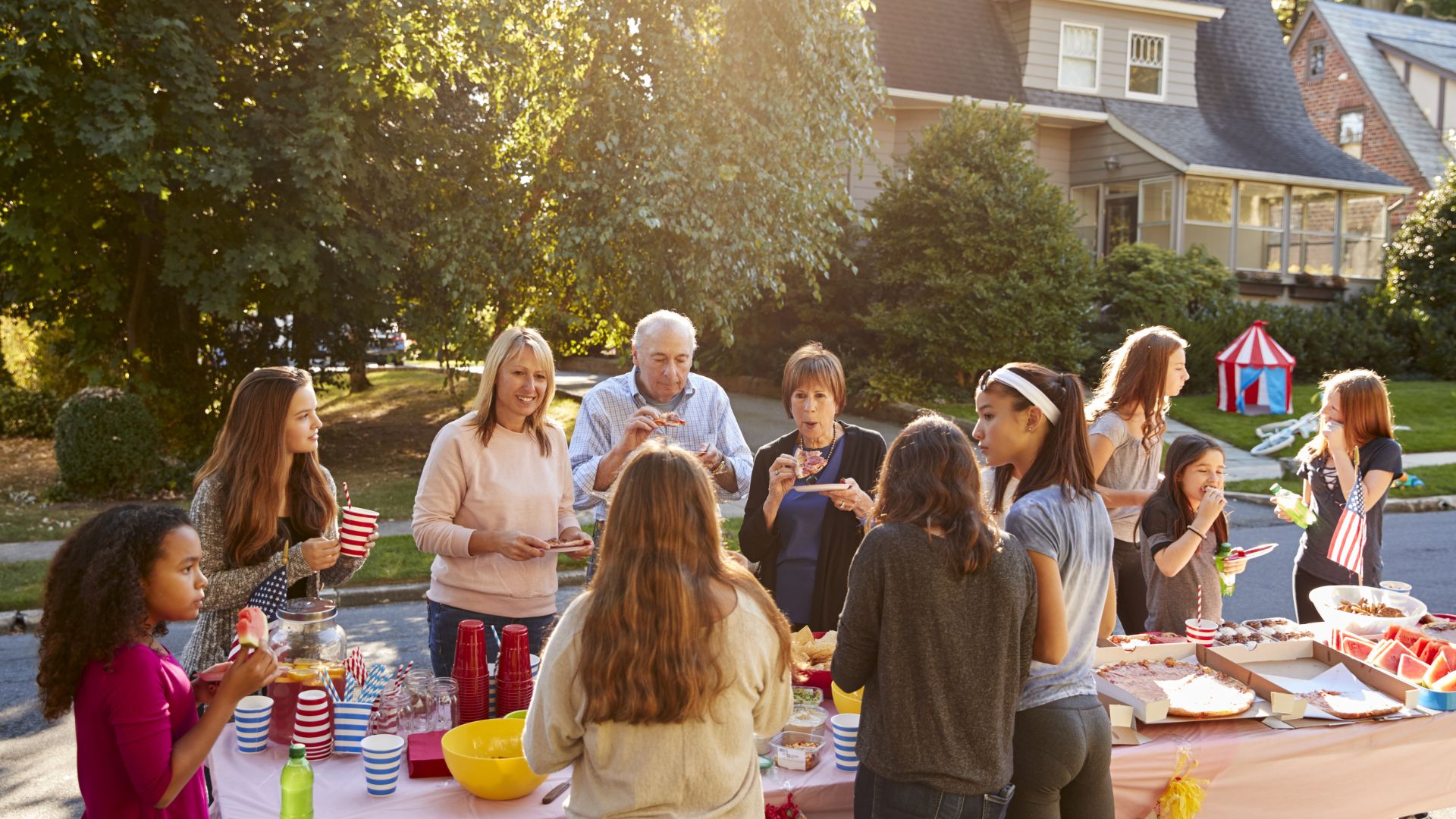
In the world’s Blue Zones — the regions where people routinely live past 100 — strong social connection is a universal feature. In Sardinia, men gather daily in the village square. In Okinawa, tight-knit social groups called Moais provide lifelong mutual support. In Loma Linda, faith communities gather weekly.
The common thread is not genetics or luck. It is belonging. People in these communities feel seen, valued and needed — and that sense of purpose extends their healthy years significantly.
How to nurture your social health
You do not need a large social circle to benefit. Quality matters far more than quantity. A few deep, trusting relationships offer more protection than dozens of superficial ones.
- Prioritise face-to-face connection over digital interaction
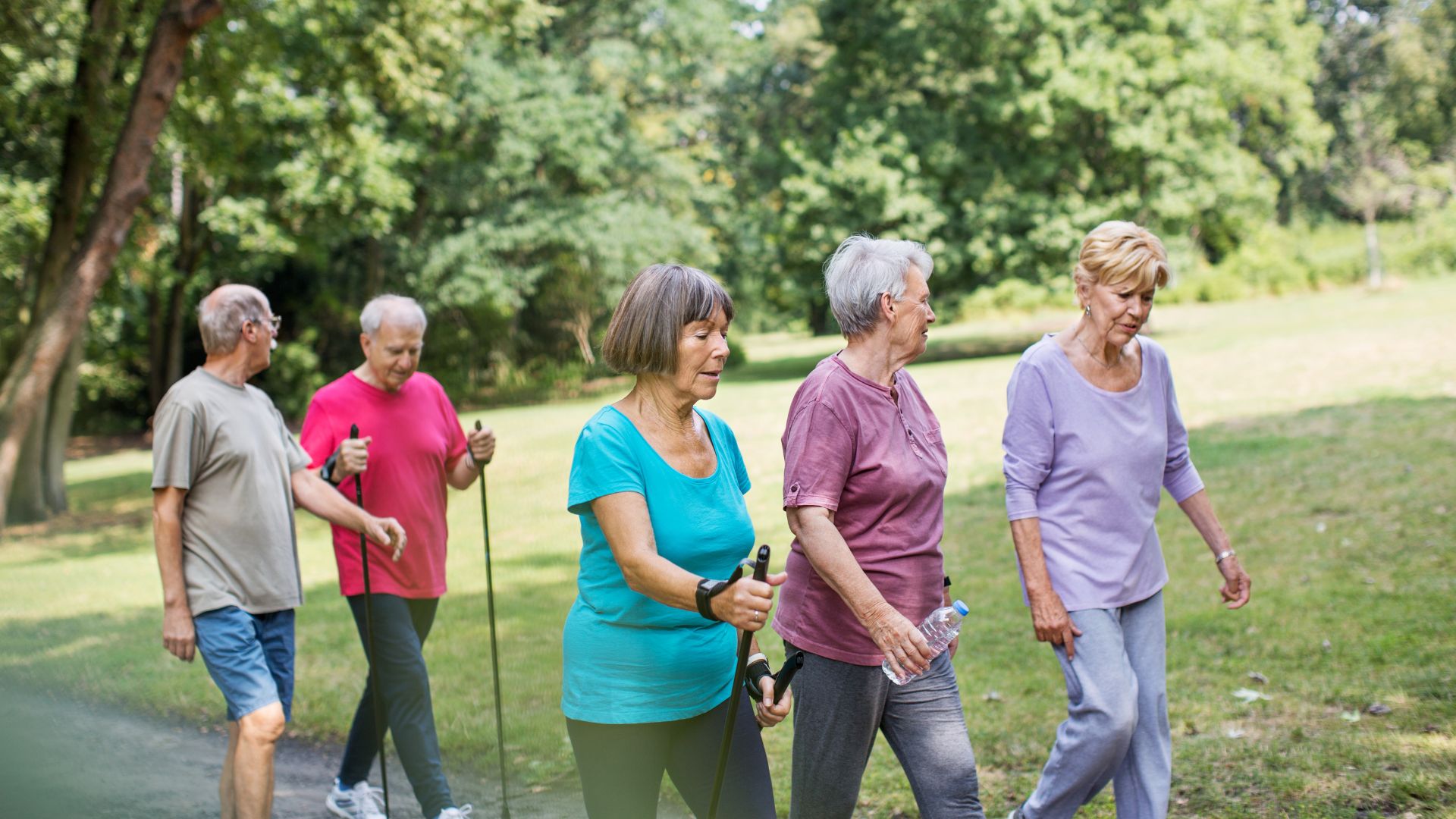
- Join a group centred around a shared interest — walking, cooking, gardening, faith
- Volunteer in your community — giving to others is one of the most powerful mood and health boosters known
- Make time for regular meals with people you love
- Reach out first — do not wait to be invited
- If you feel persistently lonely, speak to a professional — loneliness is a health issue, not a character flaw