
Preventing the Aging Diseases
Create your tribe and protect your brain
Social connectedness is one of the most powerful protective factors for brain health. It is worth noting that social connectedness is a subjective experience.
Some with few friends or family members can be perfectly content, while others with a broader support system can still feel lonely. It is our perception that makes the difference.
Dementia is a preventable disease
Dementia is caused by many factors. There is no pharmaceutical cure. Dietary and lifestyle changes are the key to preventing this awful disease.
From depression to dementia — the gut-brain axis
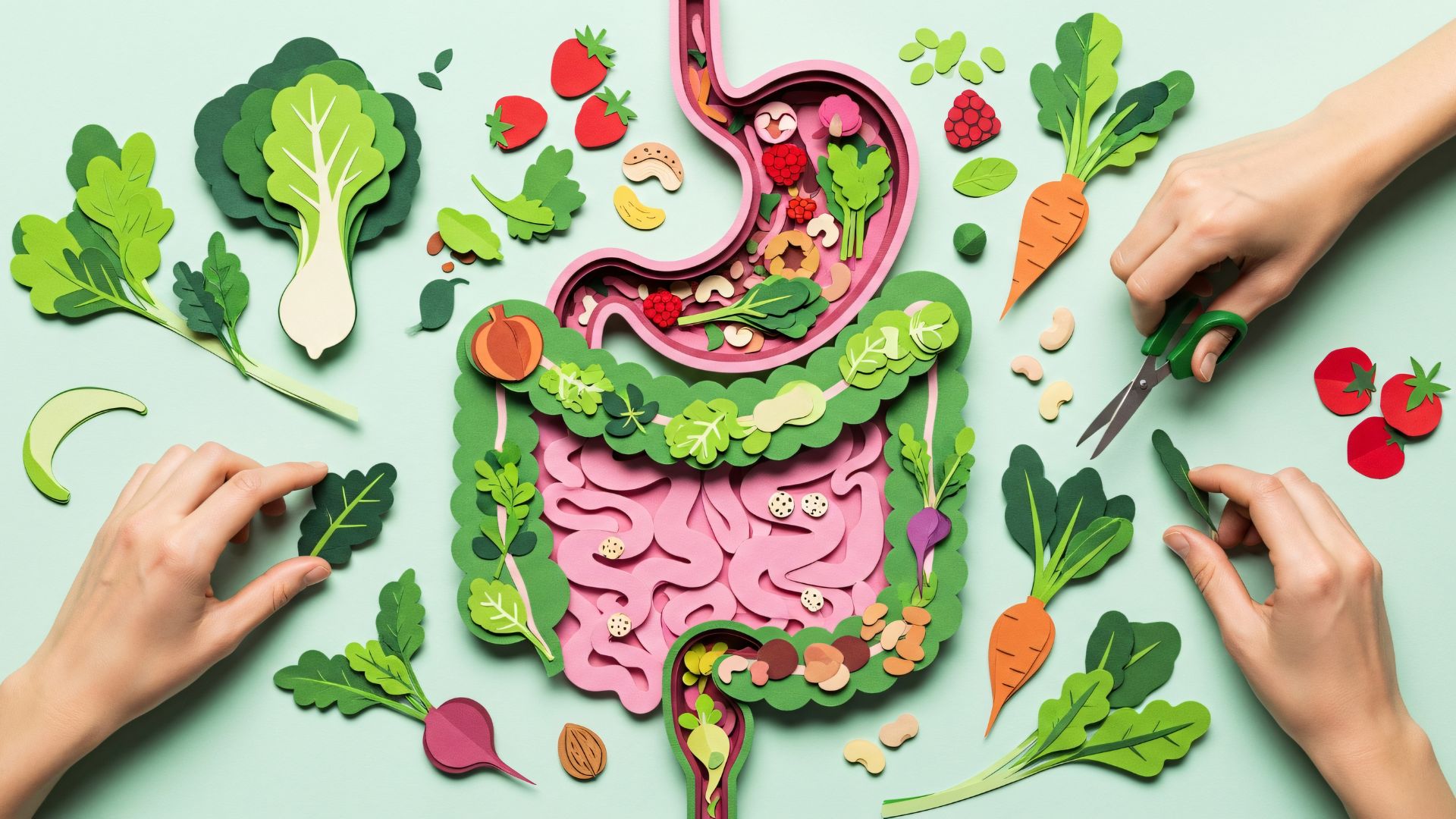
The health of our gut bacteria influences outcomes from depression to dementia. A healthy microbiome makes us more resilient to disease.
Studies showing the gut-brain axis and the relationship between our intestinal microbiome and mental health go back years. Recently, scientists have begun to dig deeper into studying the connection and how we can manipulate gut bacteria to improve mental health.
UCLA researchers conducted a study published in the Journal of Gastroenterology showing that bacteria consumed from food can affect brain function in humans. Small changes in gut bacteria affect how a person perceives the world.
A small group of women were split into three groups. Group one consumed a yogurt mixture containing several probiotics twice a day for four weeks. Group two ate a dairy product that looked and tasted like yogurt but contained no probiotics. Group three ate no specific products at all.
The women who consumed the probiotic yogurt showed decreased activity in their brain’s network related to emotion, cognition and sensory processing. The women in the other two groups were emotionally impacted and disturbed by the images shown to them. The results were remarkable.
How I would restore my brain after a dementia diagnosis
Healing the brain takes time, consistency and patience. Here is how I would work through it systematically:
Our Recode protocol for dementia prevention
Our Recode protocol has helped many people prevent and reverse dementia. The sooner you start, the better the outcome.
- Staying physically active is one of the strongest protective factors for the brain
- Adopting a KetoFlex 12/3 diet supports both heart and brain health
- Keeping the brain active — learn a new language or a new skill
- Optimise seven to nine hours of quality sleep each night
- Address hearing loss and social isolation to support cognitive function
Reach out if you would like to get on the Recode prevention protocol.
Grief and brain health
Grief does not follow a straight and smooth path — it fluctuates between numbness, anger and deep sadness.
Acknowledge the shock. Accept that feeling detached, confused or off balance is a normal processing mechanism and not a sign that you are losing control.
Do not make any sudden life-changing choices such as moving house or quitting a job while in this acute stage of shock. Write thoughts in a journal, listen to music, and use creative outlets to express your pain.
Accept help from friends and family — tell them what you need, whether that is help with meals or simply someone to sit with you. Your only job at this time is to rest, eat healthily, breathe deeply and care for yourself.
Contact a crisis line for help, connect with a trauma support organisation, and seek trauma and grief counselling.
Minor memory glitch or a more serious problem?
Reach out if you have more serious memory problems so that we can help prevent further decline.
Minor memory glitches
- You cannot remember where you put your keys or glasses
- You cannot put a name to a well-known face on TV
- You cannot remember what you came upstairs for
- You realise halfway through that you have already told a friend this particular story
More serious memory problems
- You do not recognise old friends and family members
- You cannot remember whose house you were in yesterday
- You don’t know whether you have a car or not, or if you need glasses
- You forget parts of recent conversations about things such as births, marriages and deaths