Preventing the Aging Diseases
Gut Health and the importance of a healthy diet
A person’s diet has a direct and measurable impact on gut health — and gut health has a direct and measurable impact on everything else. From brain function and mood to immune resilience and disease prevention, what you eat is one of the most powerful levers you have for controlling how you age.
You may be deficient in one or more of the molecules required for optimal health. As you improve your diet and heal the underlying causes of dysfunction, your body’s ability to regulate itself improves dramatically.
Your microbiome — the key to long-term health
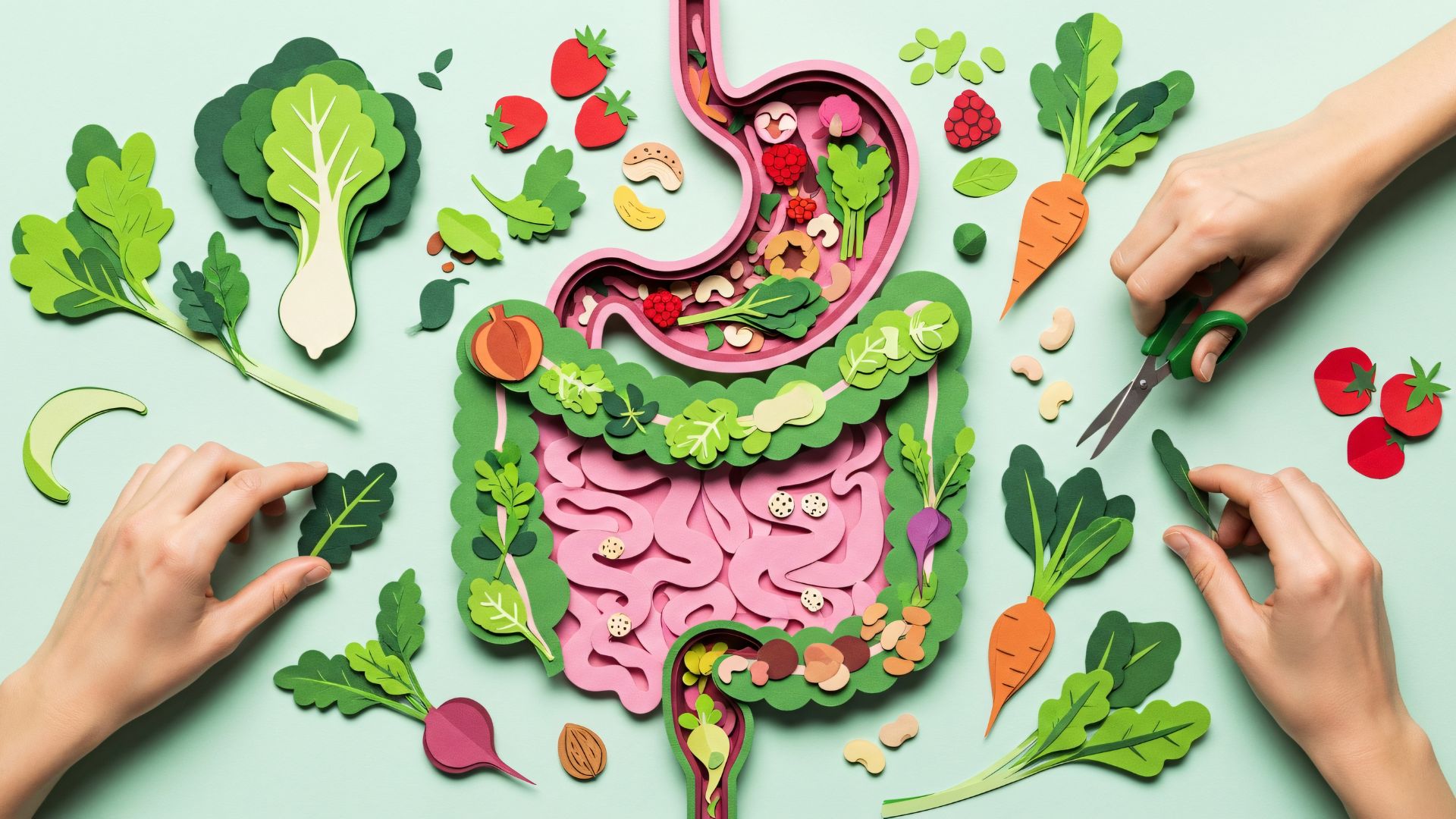
Your gut is home to approximately 100 trillion microorganisms — bacteria, fungi and viruses that collectively form your microbiome. This ecosystem does far more than digest food. It regulates your immune system, produces neurotransmitters including serotonin and dopamine, controls inflammation, and communicates directly with your brain via the gut-brain axis.
A diverse, thriving microbiome is associated with lower rates of depression, reduced risk of dementia, better metabolic health, and stronger immunity. A depleted microbiome — caused by processed food, antibiotics, stress and poor sleep — is linked to nearly every chronic disease of aging.
The good news is that your microbiome responds to dietary changes within days. Every meal is an opportunity to feed it well.
Foods that protect and heal
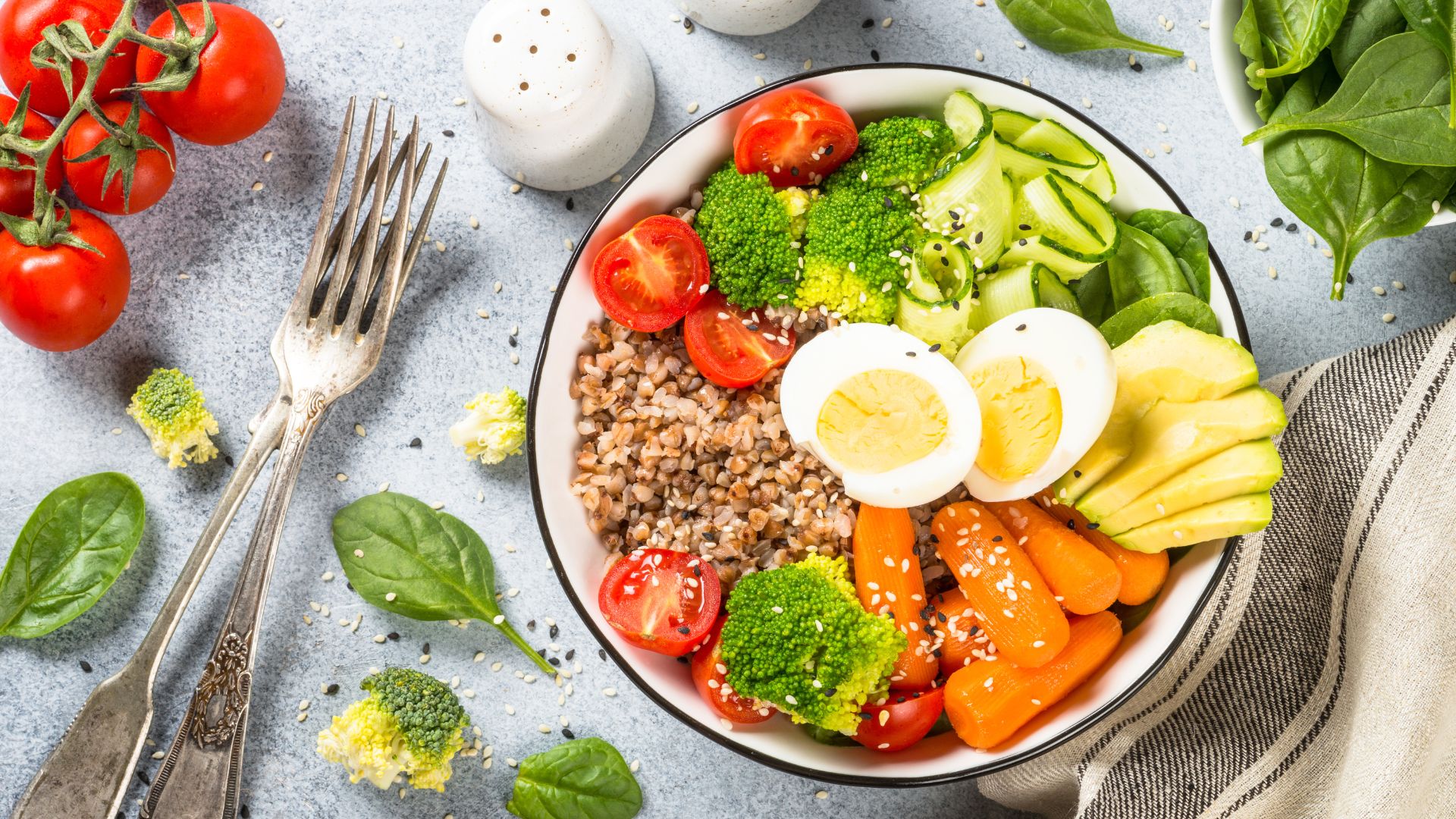
An anti-inflammatory, whole-food diet is the foundation of disease prevention. The following foods consistently appear in research as the most protective against aging-related disease:
What to reduce or eliminate
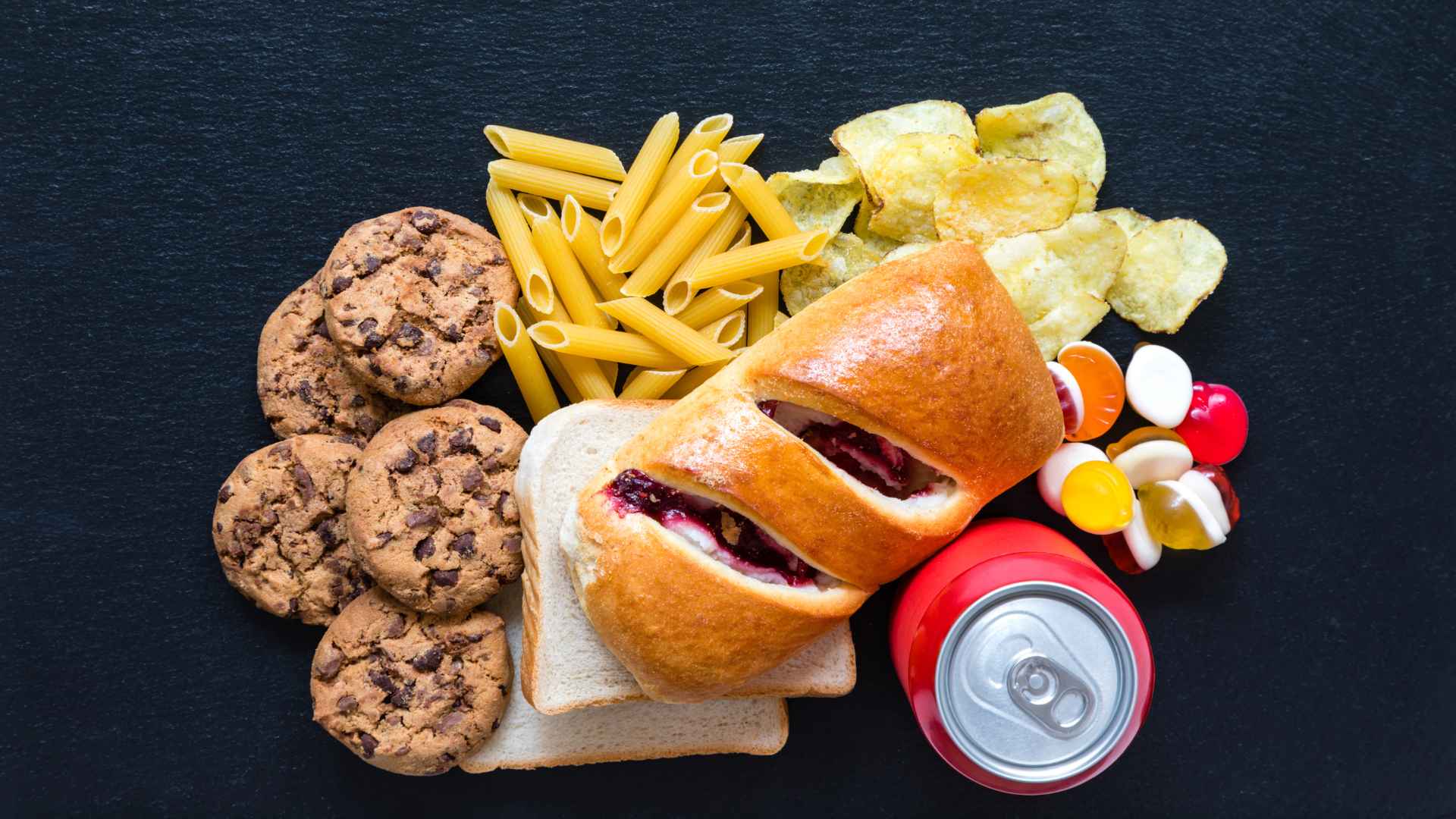
Just as important as what you eat is what you avoid. Certain foods drive inflammation, disrupt the microbiome and accelerate cellular aging:
- Ultra-processed foods containing seed oils, emulsifiers and artificial additives
- Refined sugar and high-fructose corn syrup — fuel inflammation and feed harmful bacteria
- Refined carbohydrates — white bread, white pasta, pastries — spike blood sugar and insulin
- Alcohol — damages the gut lining, disrupts sleep and depletes B vitamins
- Artificial sweeteners — disrupt microbiome diversity even in small amounts
- Factory-farmed meat containing antibiotic residues that damage gut bacteria
The goal is not perfection. It is progress. Making whole, home-cooked food the default — even a few days a week — creates measurable change in gut health within weeks.